Csi Episode That Has the Vehicle Shoot Out With Baby
CSI has go the staple television phenomenon that spawned multiple spin-offs and redefined the procedural. It is the series that ushered the televised procedural criminal offence drama into American civilization always since its cosmos back in 2000. Afterward xvi seasons and over 300 episodes, CSI said goodbye back in 2015 simply to brand a improvement late in 2021 with its original two cast members Gil Grissom, played by William Peterson ( Mindhunter ), and Sara Sidle played by Jorja Flim-flam ( Memento ), back in the lab.
Staging crime scenes like a murder mystery game for viewers to solve each episode, CSI pioneered the "whodunit" narrative structure that is still present to this day. Bated from Peterson and Fox, the original CSI'southward impressive cast ranged from Paul Guilfoyle'southward ( Air Force Ane ) Detective Jim Brass to the other caput lab tech Catherine Willows played past Marg Helgenberger ( Species ). They are the group of scientists that follow the evidence to its decision, whether it's at a local Las Vegas casino or the outskirts of suburbia.
Let'south become back and have a lot at some of the most memorable episodes from Las Vegas's finest.
"Blood Drops" (Flavor one, Episode 7)
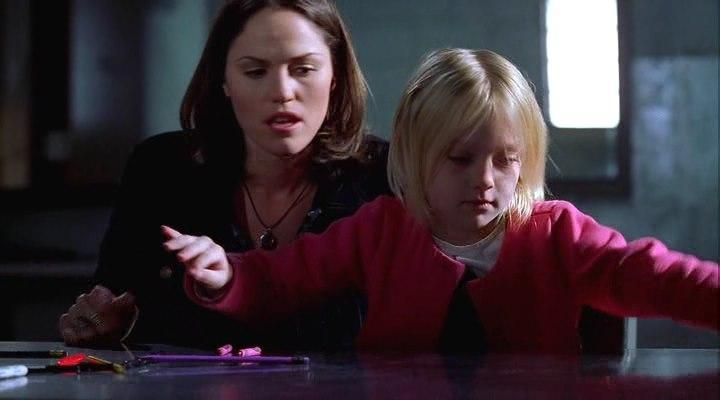
Starring a immature Dakota Fanning ( What a Girl Wants ), "Blood Drops" is one of CSI's get-go emotionally jarring episodes evolving a crime against a kid. After being called on the scene for what appears to exist a home invasion homicide, Grissom and the team uncover an even more than tragic and sinister truth to this crime.
"Blood Drops" tackles the very vehement and traumatic experience of domestic and generational sexual attack, as the team finds out that the eldest daughter and her fellow murdered the family unit. Even darker is the reason behind the crime. Afterwards enduring years of sexual abuse from her male parent and blind ignorance from her mother, the eldest daughter finally had enough when her father started to turn his attentions on the daughter she had every bit a product of the rapes. It's an aggressively painful episode to stomach but one that seemed necessary in the context of a procedural criminal offence drama to explore.
"Anonymous" (Season i, Episode 8)
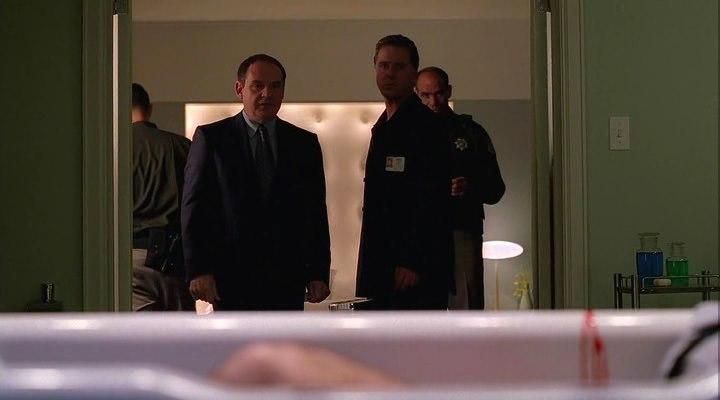
The beginning is always unforgettable; the first serial killer case, that is. "Anonymous" ushers in the seasonal serial killer cases CSI focuses on throughout the series. This particular serial killer hones in on Gil, using his handprints in multiple crime scenes to taunt him.
Called out to what seems to be a suicide, Gil before long discovers in that location'southward an eerie similarity to the example he encountered back in the pilot episode. It'southward all perfectly staged, downwardly to the voice recording of the victim's alleged suicide note. What's more than chilling than a series killer that is intimately familiar with the ins and outs of forensic science?
It's a clever way of reintroducing the serial killer trope to the law-breaking drama. Information technology's not the usual female victim, the sole focus of all the violence. This time, it'southward a killer attack reenacting his traumatic past through the forced suicides of his victims. Forcing victims to read their suicide notes is a new level of sadism that CSI skillfully weaves into the graphic symbol makeup of this killer.
"Unfriendly Skies" (Flavor ane, Episode 9)
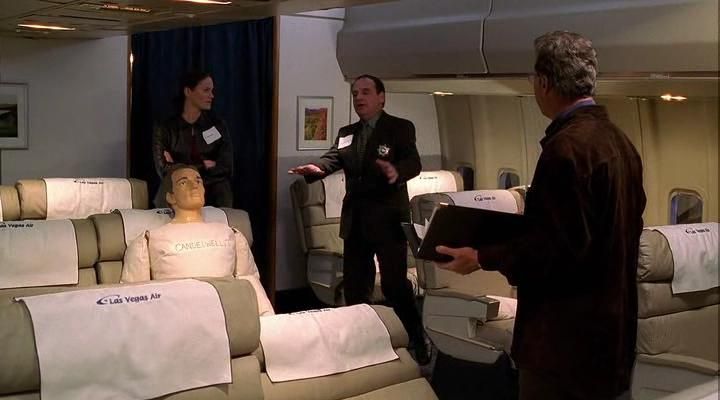
CSI didn't just provide cases to appease the curious minds of their viewers. They often raised questions of morality that bled into those of their characters. In an episode that resembled the stereotypical formatting of Inkling and the "whodunit" genre, the CSI of Las Vegas is tasked with solving what seems to be the adventitious decease of a male passenger aboard a commercial flight.
Grissom becomes the central moral compass of the instance and his team'due south interpretations. Their investigation concludes that the man died due to massive internal injuries later on being brutally assaulted past the other passengers on board. The man had a medical condition known as encephalitis that caused him to showroom signs of mirage and fits. Instead of asking him if he was "okay," the other passengers decided to give in to mob mentality and kick him to death.
It's a somber episode that serves to remind viewers of our humanity or lack thereof when it comes to others. In the end, everyone involved in the crime become free, as there'due south non enough bear witness to convict everyone. Tragically, it is Grissom'south concluding annotate that leaves a bitter taste: "if but ane passenger had asked the victim if he was okay, he would still exist live."
"Gentle, Gentle" (Season 1, Episode 19)
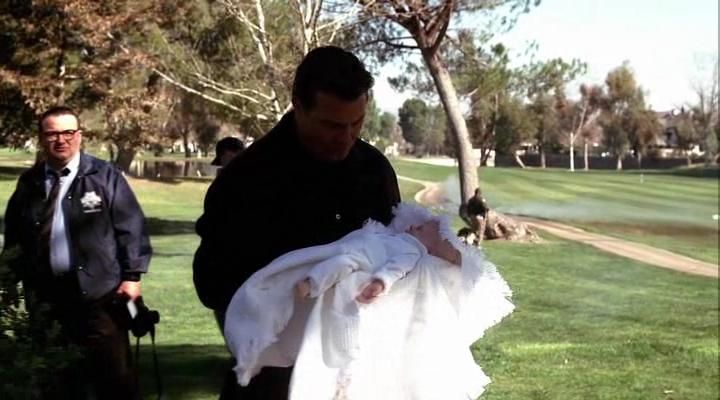
A instance involving children is ever i of the most harrowing episodes to assimilate. Cases involving the decease of an baby? Some of the well-nigh emotionally draining to lookout man. These detail sets of circumstances conjure authentic scenarios that probably haunt parents' minds with more than one kid.
After Grissom discovers a dead infant in a park, what follows is a trail of evidence that leads dorsum to a sad catastrophe for both the family unit and Grissom. Information technology turned out that the child found expressionless was accidentally smothered by their older sibling, who had no idea what they were doing. Hoping to protect the toddler they did have left, the family attempted to cover it up and pretend the child had been kidnapped and died in those awful circumstances. The only crime committed in this episode was the parents' love for their children and the need to protect them.
It's also a rare instance where Grissom leaves his mask of objectivity and visibly sympathizes with the victim.
"Justice is Served" (Season 1, Episode 21)
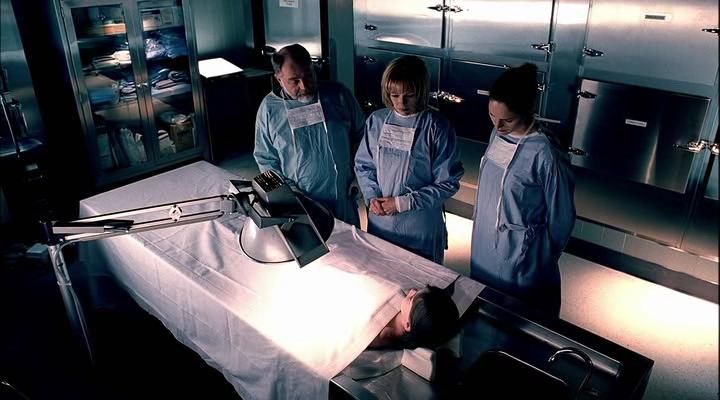
A peculiar episode that speaks more than on the unrealistic standards women are subjected to. "Justice is Served," as platitude as the championship is, turns into a candid look at the violence within femininity and keeping up appearances. Afterwards finding a jogger dead, with seize with teeth marks that appear to be from a mount lion assail, it turns out that may non exist the case.
The evidence leads the squad to Dr. Hillridge, a woman that suffers from porphyria, a group of disorders causes the pare to either wait anile well across someone'due south actual age or other complications. It turns out Dr. Hillridge took the blood from significant organs of her victims and drank information technology to keep the symptoms at bay.
It's an introspective look at femininity through the violent deed some will commit to upholding those values inflicted on them. Perchance it is a little ridiculous that someone would train their dog to kill, only it's the idea of doing anything to uphold appearances that makes this episode and then memorable. It's a pocket-size but pointed commentary on the pain of beauty and how often that's directed at women.
"Anarchy Theory" (Flavor 2, Episode ii)
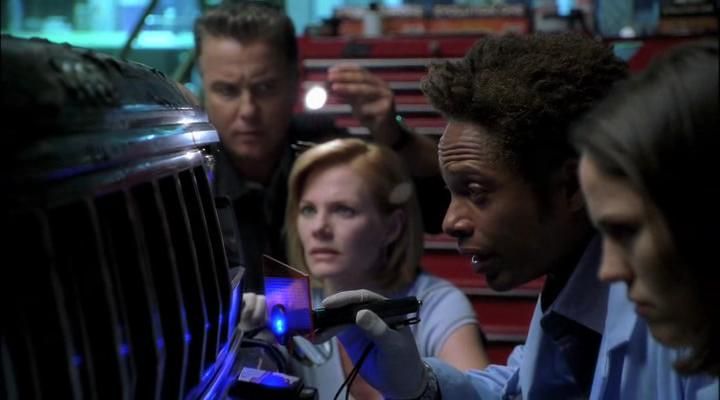
Sometimes it's not who committed the law-breaking but what are the circumstances that lead to someone's death. Working this particular crime, and watching this episode, is most the show'due south way of breaking the quaternary wall a chip. The team must find out what happened to a missing college educatee that vanished one night.
Much like the viewers, the squad suspects foul play in the disappearance of a contempo higher drop-out that never made it back home to Boulder, Colorado. In the terminate, it was annihilation but the typical tragic catastrophe the disappearance of a young girl ends up being. Later sifting through all the show and recreating the night of her disappearance, they conclude that the immature co-ed landed in the garbage shoot after dying in a freak accident acquired by an oncoming machine hit the garbage pail.
Information technology'south a show that lightly subverts expectations on the overall mechanics of the show and one that grips you from start to finish. It's a surprising twist that doesn't experience like a copout.
"Slaves of Las Vegas" (Flavor 2, Episode 8)
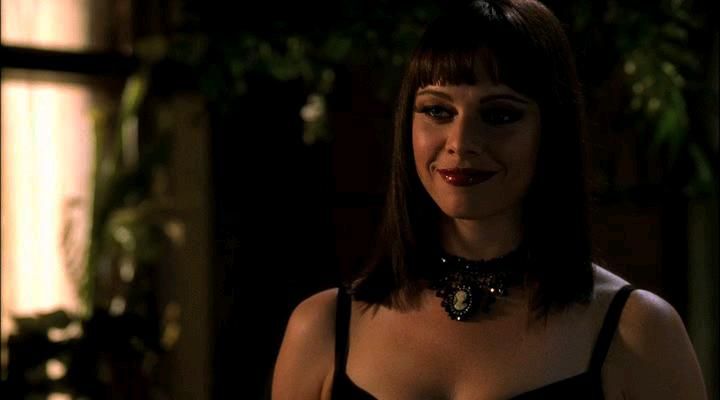
In the span of 15 seasons of a series, some characters remain memorable fifty-fifty in their sparse recurring roles. This is the case for Melinda Clarke'southward ( The OC ) "Lady" Heather Kessler, dominatrix, and eventual psychologist. Our first introduction to Lady Heather, as she'south often referred to, is the owner of a fetish club that caters to a much darker public. After finding a woman buried in a park sandbox, the Las Vegas squad seeks out Lady Heather's expertise to detect out who murdered her.
Lady Heather herself is the source of fascination with this episode. She becomes the connection of Grissom'southward inner desires straight to viewers. It's the first time nosotros meet Grissom in the context of a lover and emotional existence, usually so discrete from the world around him. "Slaves of Las Vegas" is more than well-nigh the inner demons of Grissom's wishes and desires coming to light in the form of his attraction to Lady Heather. It'southward e'er a nifty episode when it's about taking a peek inside the elusive listen of Gil Grissom.
"Lady Heather's Box" (Flavor 3, Episode 15)
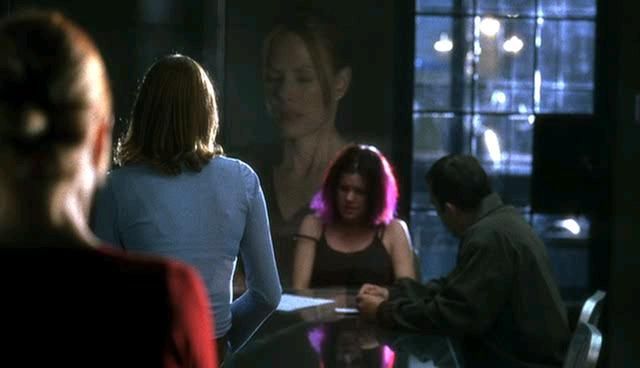
Whenever Lady Heather is back on an episode of CSI, viewers already know they're in for an emotional treat involving their favorite stoic lab leader Gil Grissom. In an emotionally alluring episode dealing with the complex dichotomy of sub/dom relationships, the squad once again paid a visit to Lady Heather's establishment.
Subsequently finding one of her contract workers died from an overdose of insulin, Lady Heather becomes the number one suspect after seeing one of her needles in the victim. Still, this becomes a dizzying moment of moral dilemma within Grissom. How does he deal with his natural allure to Lady Heather and his objective nature towards post-obit the evidence? It becomes axiomatic to both Lady Heather and the audition that Grissom's loneliness has a lot to do with his constant impulse towards the "truth" that makes him successful on the job simply not in forging personal relationships.
At the end, unsurprising to anyone, Lady Heather is not responsible for the death. She was merely a victim of the circumstances out of her control and the rage of a sub that was tired of being second best.
"After the Evidence" (Flavor 4, Episode 8)
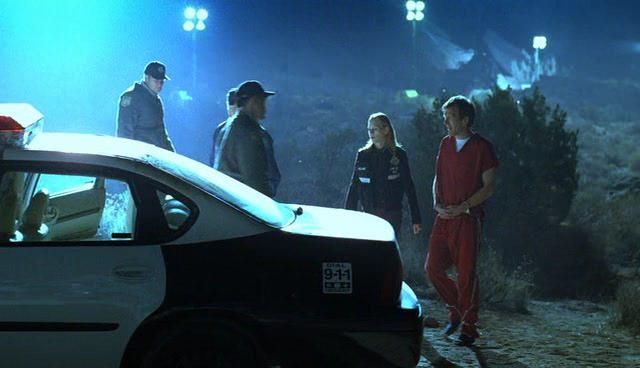
A poster episode for what is commonly referred to as the "white woman syndrome" in our cultural subconscious, this episode tackles the case of a missing young showgirl named Julie Waters. Her disappearance becomes an instant national sensation equally the media picks up on her instance. A human named Howard 'fesses upwards to the murder, and it's somewhen proven that he did commit the murder. He could've gotten away with it had he non said anything, but because Julie received constant coverage, he cracked nether his obsession with her because of the constant media exposure Julie'due south case got.
This particular episode, unconsciously or non, serves as the perfect framework with the media's fascination with the missing cases of young white women. How they are the ones who receive the coverage necessary to become their cases solved while missing women of color are disproportionately covered on the news. An first-class metaphor for this cultural phenomena and our consumption of these kinds of cases that ultimately sideline cases of missing women of color.
"Butterfield" (Season 4, Episode 12)
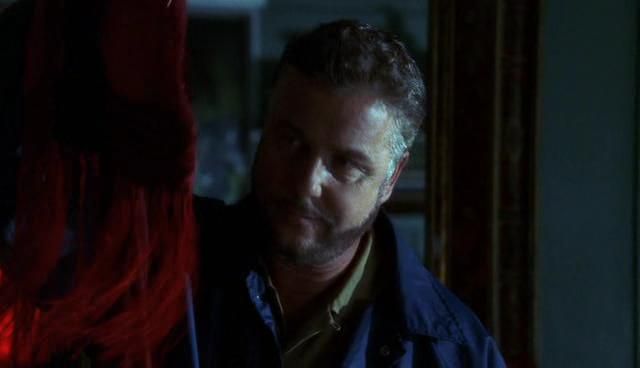
Most of the best episodes on CSI always involve Gil Grissom'southward inner turmoil with objectivity vs. his emotional connection to the cases. How much can the chore take earlier Grissom realizes he'due south living for the victims whose own lives take been cutting short? "Butterfield" forces Grissom to reckon with this challenging question in the form of Sara Sidle and his always-nowadays feelings for her.
A immature nurse is murdered in her ain abode; she also bears a striking similarity to Sara. Everywhere he goes, Grissom sees Sara's face in that lifeless body of the immature nurse. A haunting image he tin can't go out of his head. Enough to make him avoid Sara for most of the investigation.
In one of the most emotionally revealing scenes of the unabridged series thus far, Grissom unintentionally confesses his feelings towards Sara to i of the suspects. He does so because, although Grissom knows this man killed the young nurse in a fit of jealousy, he sees a part of himself in him. It's not just jarring to the audience to see Grissom be so aboveboard almost his feelings, but it too shakes Sara every bit she watches from the other side of the window unbeknownst to Grissom. A revelatory episode that makes it clear Grissom does pay attention to things other than the job, particularly when it comes to Sara.
"Bloodlines" (Season 4, Episode 23)
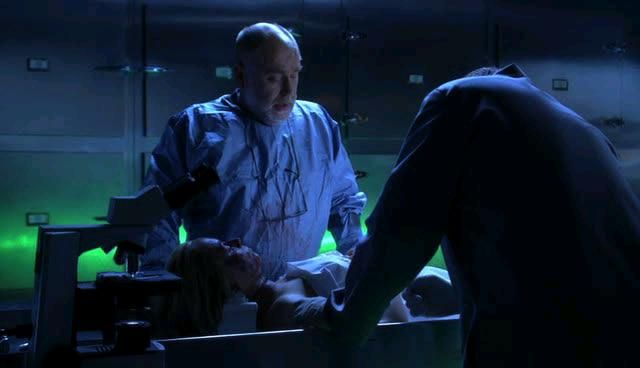
Sara Sidle's emotional wellbeing has always been a compromising gene with her job. She'southward the survivor of domestic violence, and sometimes this bleeds into her objectivity for the job. Grissom, in the by, has resented this emotional component to Sara's way of tackling cases but finally understands it. Accepts it.
Later a casino employee is beaten and raped on her mode home from work, the CSI lab must compare the DNA evidence with the victim's identification of her attacker. This becomes the result of just how much the lab can also hinder the victim in the end. The Deoxyribonucleic acid is not a match, and they gear up the suspect free, where he ultimately comes back to kill his victim. This triggers such a strong emotional response from Sara that she drinks and drives home. Eventually, she's pulled over and charged with a DUI. Grissom picks her upward and only takes her manus in sympathy. In silent understanding.
It'south a bleak look at the inner workings of these law enforcement agencies when it comes to victims of sexual attack. Despite the victim'south strong affidavit that the man she identified as her aggressor, they were forced to permit him get considering his DNA did not match the ane from the crime scene. Tragically, he had a rare status that altered his Deoxyribonucleic acid due to his twin dying at birth, collapsing his Deoxyribonucleic acid with his twin.
"What'south Eating Gilbert Grissom?" (Season 5, Episode vi)
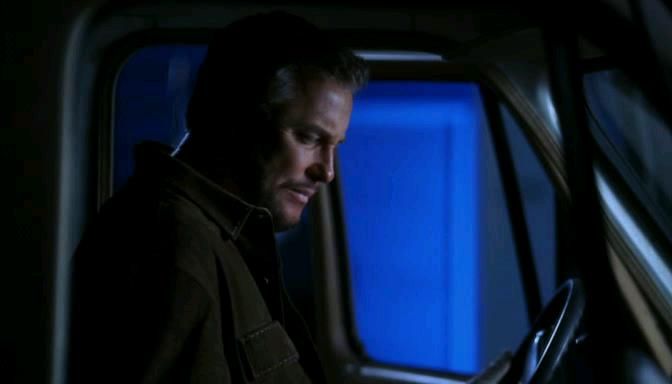
The Blue Pigment Killer. A notorious CSI serial killer to the prove's canon. In past cases involving the Blue Paint Killer, his M.O. involved female victims on the college campus of Western Las Vegas Academy. Someone by the proper name of John Mathers was convicted and sentenced to death for one of the 4 women's decease. Years later, the victim is a male merely a similar 1000.O. This unlocks a weaving mystery of copycats and another female victim that reveals a partner to Mathers'due south crimes.
It's an episode that falls back on the murder mystery component of the series. A staple episode if yous will, where it utilizes the unabridged team to solve the crime. The episode hones in on the team'south camaraderie and humanizes their bond as a found family unit. Yeah, the tension and thrill of the example itself are worthy of an honorable mention in this list, but more than so is the time spent watching the entire squad collaborate with one another.
"4x4" (Season 5, Episode nineteen)
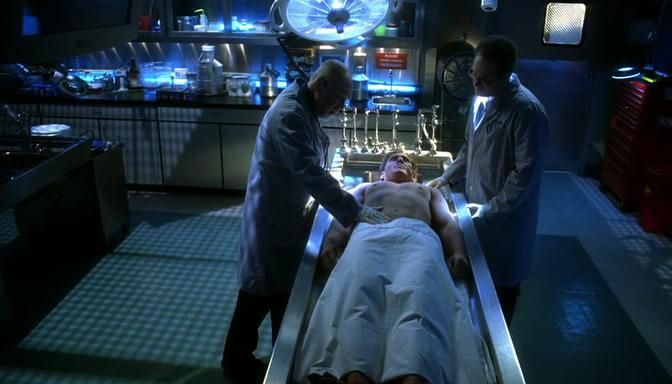
Meta episodes of CSI are always some of the virtually enjoyable, and this is a meta episode. When the lab has a decorated night covering multiple cases in one night, the team splits up into smaller individual teams that split the episode, giving the viewers an inside look at all the dissimilar dynamics within a singular episode. Some of the most unlikely pairs having to solve a crime? It's the writers of the prove having the all-time time with these characters.
"Grave Danger Parts one & 2" (Season five, Episodes 24 & 25)
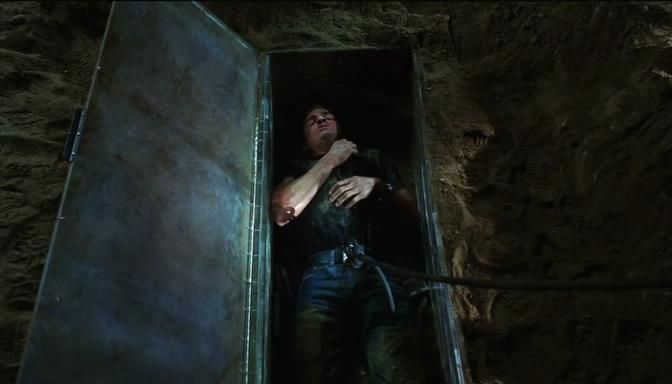
Mayhap one of CSI's virtually noteworthy episodes only considering it happened to be directed by one of Hollywood's most recognized names, Quentin Tarantino. At the elevation of its popularity, CSI caught the attention of outlandish managing director Tarantino, plenty to direct a 2-part episode that put the life of ane of the lab's most beloved characters Nick Stokes, played by George Eads ( MacGyver ), on the line.
It'due south a heart-pounding episode with Nick Stokes buried vi feet under in a glass case, in peril of dying unless the team gets there in time. Called to a scene, an unsuspecting Nick is taken hostage past an unknown individual and wakes up undercover. With time running out, the lab team all band together in an emotional episode to find Nick. The last ten minutes of the episode plow out to be some of the most stress-induced moments in all of CSI history, every bit Grissom pulls a traumatized Nick from the drinking glass at the last infinitesimal.
An epic episode to mark the midway point for CSI, and non just because Tarantino helmed it, but information technology indeed allowed the team to be at their nearly emotional yet equally one of their ain nearly lost their life.
"Gum Drops" (Season 6, Episode 5)
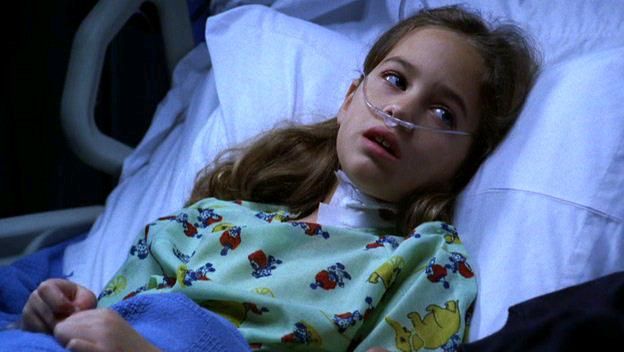
The raspy hushed voice of a young girl narrated this entire episode with an emotional twist in the end. Ushered into chaos later a violent event, the little voice follows Nick upward the steps of the house as he passes bloodied steps and gruesome blood-stained walls landing in the room of what appears to belong to a picayune girl; Nick takes information technology upon himself to find the missing little girl.
After locating the family unit's bodies in the lesser of a lake, tied to an ballast, Nick fears the worst for the daughter. It turns out the McBride family had a weed farm growing in their basement. This attracts friends of their immature son Jeremy, hoping to score some marijuana from him. What starts equally a possible score ends in tragedy as Jeremy and his parents are shot to death. One of the three men is unable to go through with killing the young girl and ends upward dumping her on the lake, where she's ultimately found.
By the terminate of the episode, Cassie, the trivial daughter, survives the attack and is shown safety and live with Nick taking her statement. The raspy-voiced girl the audience beginning hears narrating the scene. It'southward an emotional episode for Nick that calls back to his previous traumatic feel of surviving the glass case from the Season 5 finale. Makes for a compelling await at PTSD and the hazards of the chore.
"Pirates of the Third Reich" (Flavor half-dozen, Episode 15)
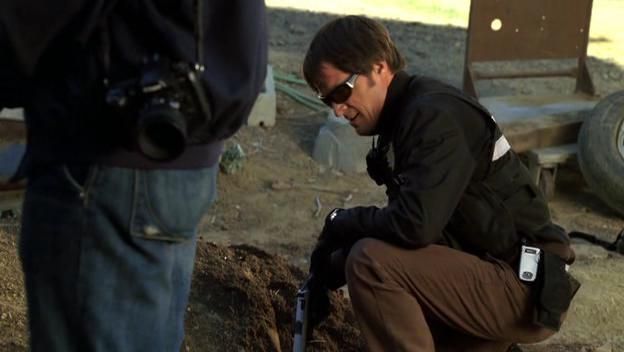
The tragic backstory to Lady Heather'south shift in careers is one that marks her legacy within the show. Information technology's also a potent reminder that antisemitism in all its violence is nonetheless very much alive in more than contemporary contexts. After the body of a half-naked woman with a shaved head, number 19 engraved in her upper arm, is found in the middle of the desert, the CSI team uncovers a grizzly crime that ties dorsum to Lady Heather once again. The victim turns out to exist Lady Heather's daughter, Zoe Kessler.
Zoe Kessler had chronic insomnia, and in hopes of curing information technology, she joined a slumber study run by a human who was impersonating his twin brother. After murdering his blood brother and posing as him, he started his written report. Taking Jewish patients, this brother inflicted painful and torturous experiments that stemmed from Adolf Hitler's credo and antisemitic views. Zoe became ane of those patients and endured painful surgeries that led to her ultimate death just considering she was Jewish.
Lady Heather's past is revealed as beingness shunned past her daughter because of her called lifestyle as a dominatrix. Taking matters into her own hands, Lady Heather most murdered the man who tortured and killed her daughter before Grissom stopped her. She may have lost her girl, just Heather plant some grace by coming together the daughter Zoe left behind. Keeping Lady Heather as a sporadic constant on the show gives depth to such an enigmatic graphic symbol so intricate to Grissom's label.
"I Like to Scout" (Flavor 6, Episode 17)
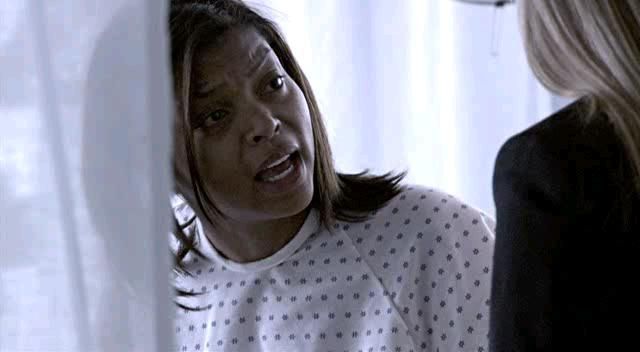
"I Like to Watch" is one of those episodes that grabs a viewer by the throat and doesn't let go until the end. A lot of this is due to Taraji P. Henson's ( Empire ) guest operation as the victim of rape in her flat. It too involves the crew of a true-offense show chosen Hard Crime, calculation a meta-layer to the entire episode.
Gruesome is the recounting of the events by Henson'southward performance as the victim. There'due south a raw vulnerability that makes it about painful to sentinel. Every bit she gives her statement, the camera of the reality serial also captures the moment, which but triggers her panic at being watched. How different are the camera crew from the man who assaulted her, who also happened to videotape the events? There seems to be an interesting dichotomy to both the nature of the show, a sensationalized version of fictional events that do occur outside of it, and their condemnation of voyeurism through reality Tv that captures bodily criminal offence events.
It's a heavily packed episode that leaves a bewildered viewer questioning the very act of watching this episode at all.
"The Unusual Suspect" (Season 6, Episode 18)
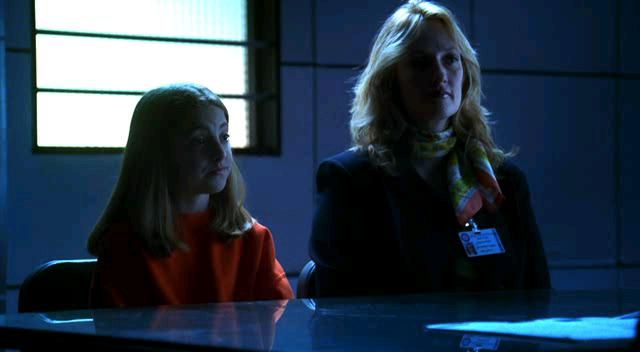
How young is besides immature for sociopathic tendencies to manifest? Co-ordinate to CSI, they come in the form of a 12-year old protege who also happens to carry some incestual fantasy towards their older brother.
After a immature loftier school girl is found bludgeoned to death, one-half-naked, and half-buried in the flowerbed of the school grounds, what ensues is the cat and mouse hunt of a lifetime for the CSI squad. Specially for Sara, who takes it upon herself to further antagonize the atomic number 82 suspect: the 12-yr-old daughter protege Hannah. After confessing to the murder after her brother is on trial for it, Hannah outwits non only the prosecution and commune chaser but the crime lab. Evidence is inconclusive, and a double confession leads to a mistrial.
How frequently does the criminal offense lab bargain with a manipulative 12-year-old girl that tin can have them chase their tails for 42 minutes? Non often, but it sure is an episode worth remembering for just that reason.
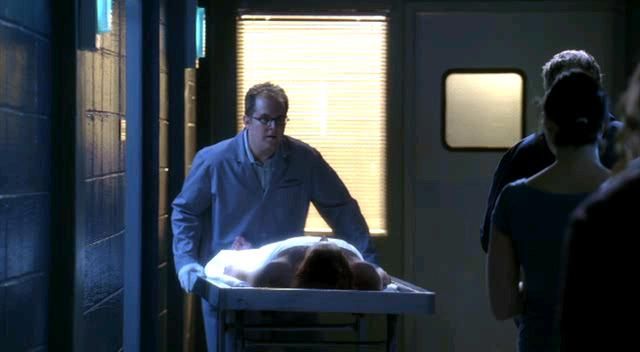
Some of CSI's most fascinating episodes come from the departure of their week-by-week case structure. This particular episode takes the cases of three victims and twists them into comedic recounts as they each take turns recounting their versions.
Every bit ridiculous equally it may sound, this episode gives control of the narrative back to the victims. It'southward a playful and fun episode that draws the audience into a reflective view of the victims these shows often overlook. Having them physically revive and speak to one another nearly their experiences is an intelligent divergence from the structure. A delightful episode that injects a fiddling sense of humour into the bleak world of this crime drama.
"Built to Kill" (Season seven, Episode 1 & ii)
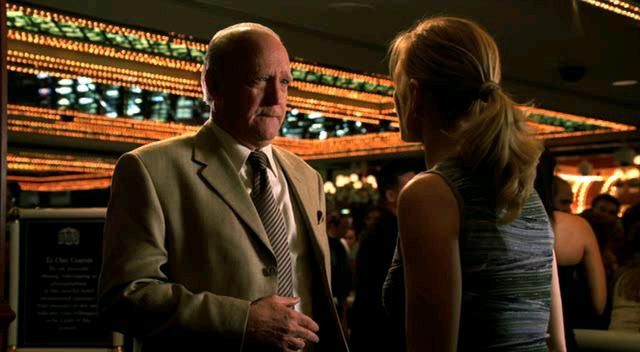
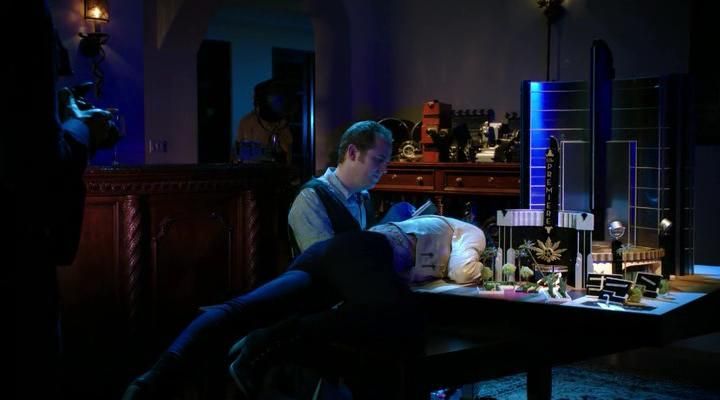
The infamous Miniature Killer episode. The introduction of another of CSI'due south famous serial killers, and the outset female person serial killer with a seasonal arc, starts with the death of a famous rockstar. The squad finds a perfect replica of the crime scene at the scene, downwards to bodily blood from the victim. This is the outset of the Season vii mystery that consumes Grissom'south every waking moment on the case.
The very structure of this particular killer'southward Chiliad.O. and ultimate motive is unique to the criminal offense drama. Creating replicas of criminal offense scenes to specific details gives a little more dash to nearly stereotypical depictions of serial killers on television. There was as well no rhyme to who their victims were, but what triggered the events.
"Empty Optics" (Season 7, Episode 18)
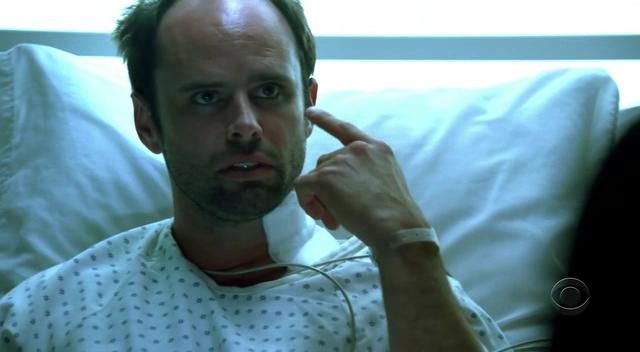
Crimes involving women and Sara's visceral reaction to the violence inflicted on them always make for an emotionally compelling episode. Subsequently half dozen showgirls are all raped and murdered in one night, the emotional fallout trickles across the entire team, peculiarly Sara. She was, unfortunately, the one to hold one of the victims every bit she passed away.
There'due south a symbolic connection between feminity and control in this episode that is also linked with violence. The killer needs to possess that beauty and destroy it. Information technology'south as well a await at how cases where violence confronting women involves a level of numbness to the repetitive nature of these crimes. How they never seem to terminate. All of this manifests through Sara, as she can't help but feel personally responsible for the last adult female'southward death. It'southward the ingrained rage of watching other women suffer such violence and not being able to prevent it.
"The Theory of Everything" (Flavour viii, Episode xv)
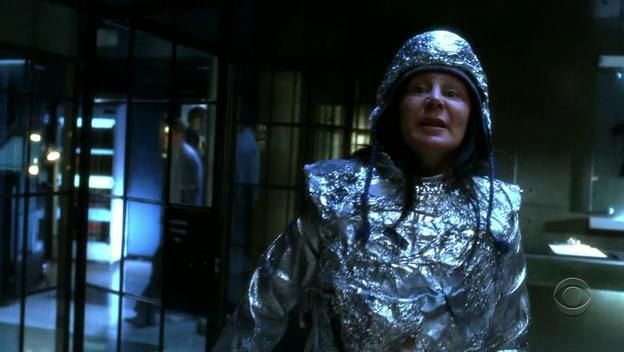
String theory is the idea that everything and everyone is connected through the universe in all manner of intricate strings tying us together. It's likewise the running theme of this episode that perfectly weaves together the various cord of events that end up continued.
Each crime, stranger than the next, all atomic number 82 back to the opening instance. There'due south even a squirrel involved in pulling the strings halfway through this episode. It's a fun episode that speaks to a higher order that seems to go along everything connected, how humanity depends on the other and is also responsible for the trickle effect their deportment can crusade. It's yet another episode that departs from the norm to give viewers a more abstract view of the inner workings of humanity'southward action and reaction.
"Lost & Found" (Season 10, Episode 21)
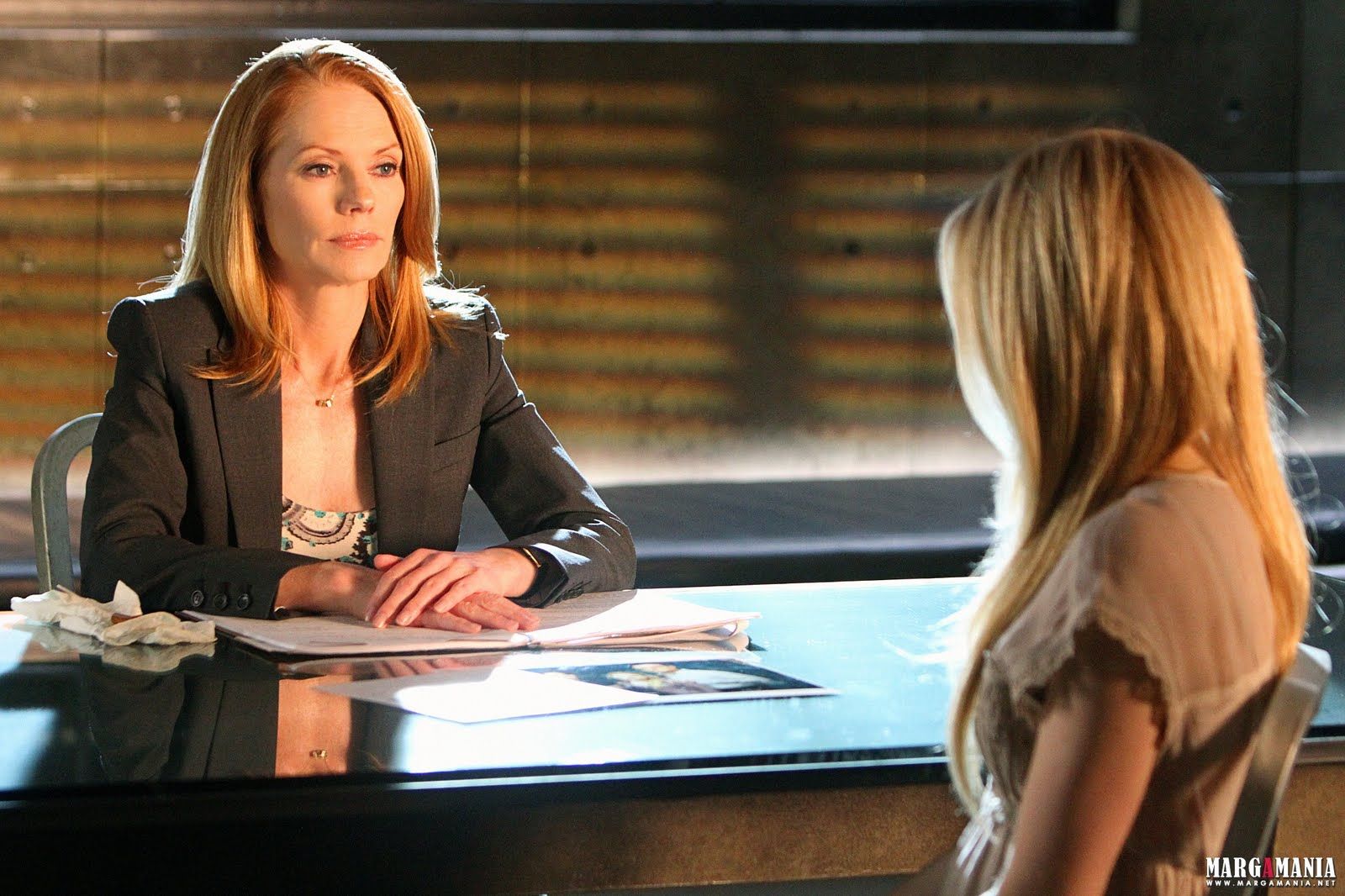
This instance unearths a night familial past that merely ends in tragedy. A three-year common cold case opened one time once more after the mother of the missing family unit was hit in an accident. After she recovers, the case takes a turn when her family unit is institute alive, all merely the son. The female parent finds out that her daughter had a son, which she mistakenly idea is from her husband but turns out to be the product of a rape by her blood brother, the girl'south uncle. The nighttime of the disappearance, the little boy caught the uncle molesting the girl and accidentally killed her little brother by hitting him with a flashlight.
It plays out like some Shakespeare drama where the mom, in her ignorance of the nascence father and molester, shoots her husband and kills him simply to find out it was her brother all along. It'southward ane of those mysteries that only ends in such a draining misfortune that it's hard to observe the silver lining in this one: generational trauma and the absolute permanent damage of incestual assail.
"Sqweegel" (Season 11, Episode 4)
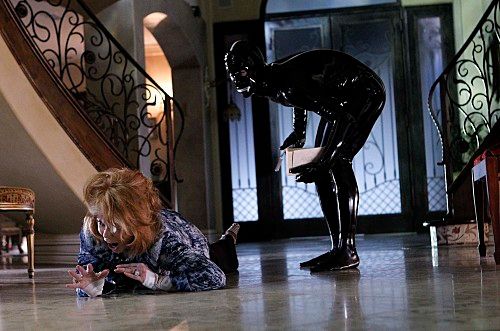
This might exist CSI's most terrifying episode in its 15 season run. Information technology mostly has to do with the physical demeanor and appearance of the perpetrator. An unorthodox vigilante that goes around threatening people who publicly lie about their accomplishments, and if they don't confess, he ends up killing them.
Now, this particular predator lurks and targets his victims by living and stalking them in their own homes and coming out in unforeseen moments to either threaten them or kill them. Wearing a black latex adapt with zippers for the eyes and oral fissure, viewers are as well treated to the alarming noises the suit makes as he crawls around towards his unsuspecting victims. Reminiscent of American Horror Story: Murder House 's and their resident latex perpetrator, this episode of CSI is virtually a fever dream. An outlier amongst all the other episodes of the series every bit the latex vigilante ends up escaping the police and lab in the end. Crawling his way dorsum to where he came from, unknown even to the audience.
"Frame by Frame" (Season xiv, Episode 5)
From i of the bear witness's later seasons, after half of the original cast departed, information technology's difficult to call up of more memorable episodes that stand up out from the earlier seasons. However, information technology is possible to have one episode polish. It also happens to bring back Catherine Willows to solve a cold case in its symbolic 300th episode. "Frame by Frame" opens a 13 yr old cold case involving the disappearance of a immature girl concluding seen in the home of a wealthy man named Witten.
It's more than of a bloodshot look at CSI'due south cultural touch on on the crime drama. By bringing back Willows through its flashbacks, viewers got to relive some of the "old" CSI days that made the evidence so successful. This is 1 of those moments when the bodily case takes a dorsum seat every bit the evidence looks back down retentiveness lane. A very nostalgic look back.
Virtually The Author 
Source: https://collider.com/best-csi-episodes-crime-scene-investigation/
0 Response to "Csi Episode That Has the Vehicle Shoot Out With Baby"
Post a Comment